
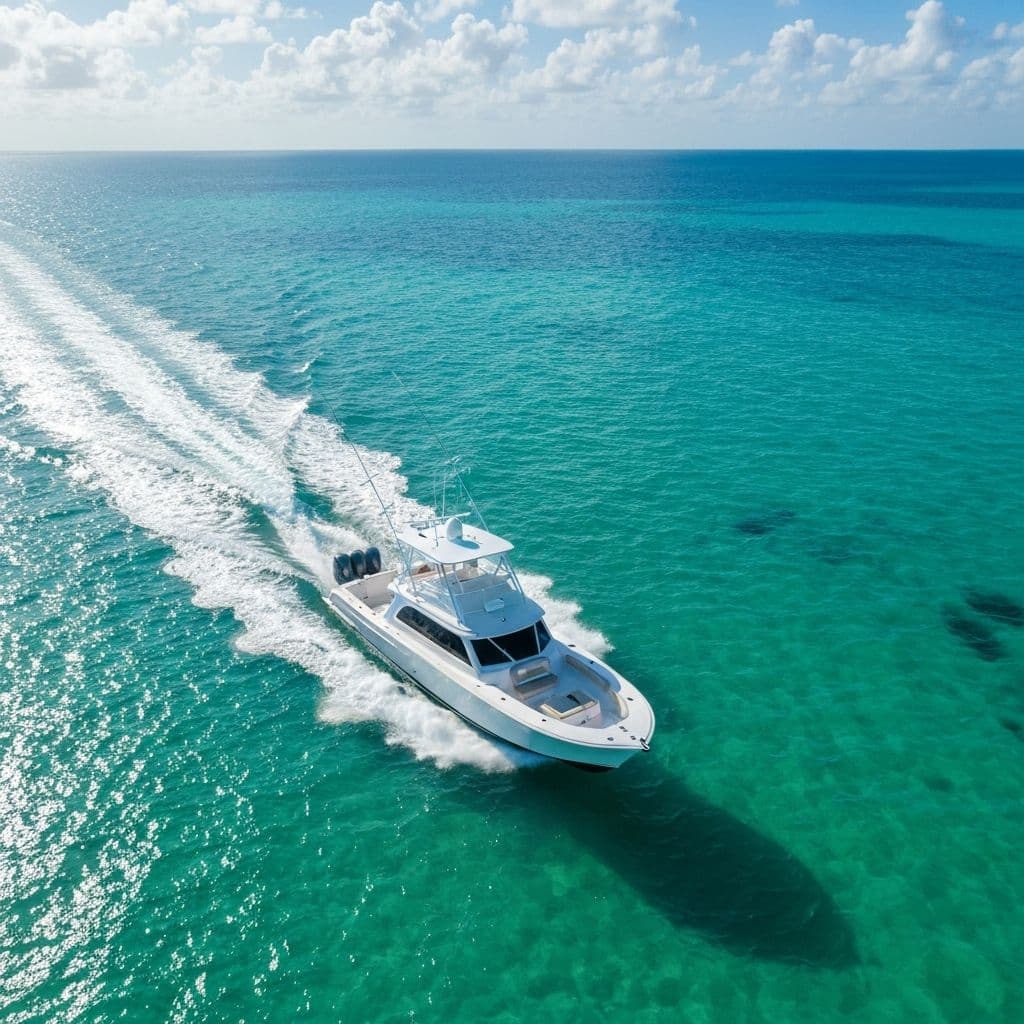

Boat MaintenanceEssentials
A Southwest Florida Owner’s Guide
Essential maintenance for SWFL’s salt, sun, and humidity. Post-trip routines, monthly checklists, seasonal schedules, engine care, and hurricane prep.
Table of Contents
If you own a boat in Southwest Florida, you already know we live in one of the best boating regions on the planet. Calm winter mornings on Estero Bay, tarpon rolling through Boca Grande Pass, sunset cruises to Cabbage Key; it doesn't get much better than this.
But our paradise comes with a price tag that most boating magazines won't tell you about: Southwest Florida's combination of salt, sun, humidity, and marine growth is one of the harshest environments any boat will ever face.
We've been in the marine business here in Fort Myers for decades, and we've seen it all. Beautiful boats destroyed in a single season by neglect. Twenty-year-old boats still running strong because the owner spent 15 minutes after every trip doing the basics. The difference almost always comes down to maintenance.
Disclaimer: This guide is for general informational purposes only. It is not a substitute for professional advice from your boat manufacturer, engine manufacturer, or a certified marine technician. Always consult your owner's manual and a qualified professional before performing any maintenance on your vessel. When in doubt, bring your boat to a factory-authorized service center.
This guide breaks down everything you need to know to keep your boat running right in Southwest Florida, whether you own a Robalo center console, a Grady-White canyon runner, a Chaparral sport boat, or a Premier pontoon. We'll cover daily routines, monthly checklists, seasonal schedules, and the hard-earned wisdom that only comes from years on the water in Lee and Collier Counties.
The SWFL Challenge
Why SWFL Is Harder on Boats Than Anywhere Else
People move here from Michigan or New Jersey, buy a boat, and treat it the same way they did up north. Six months later they're staring at corroded terminals, barnacle-encrusted lower units, and gel coat that looks like it aged ten years overnight.
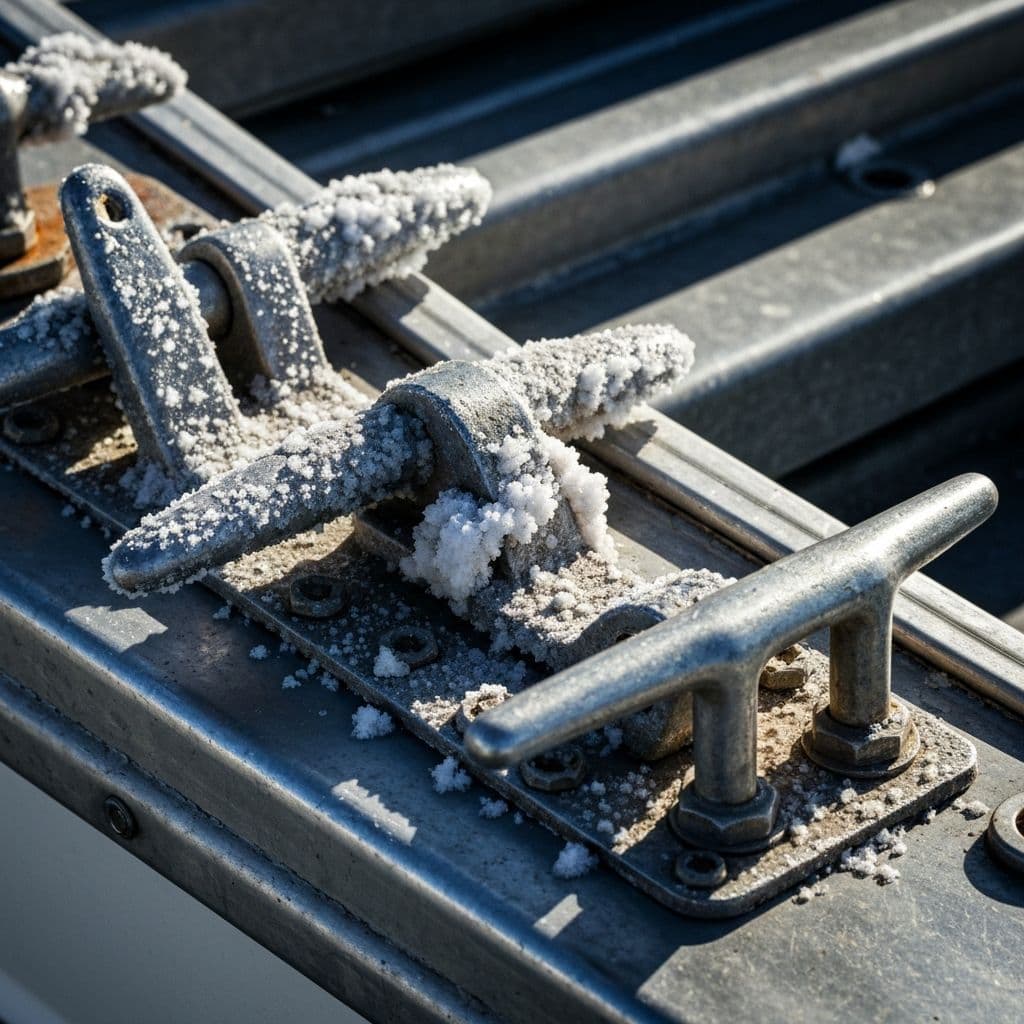
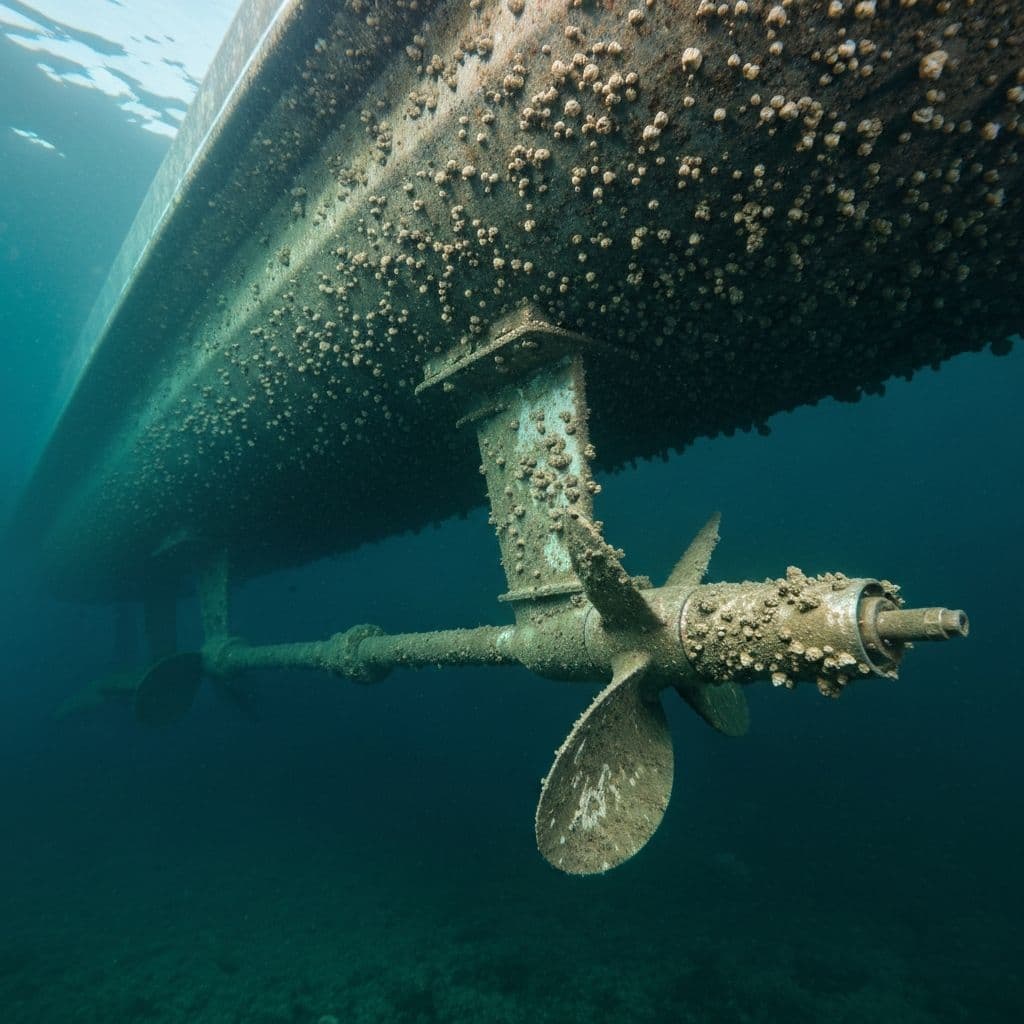
Saltwater is Relentless
Every drop of Gulf water actively corrodes metal, degrades rubber seals, and attacks electrical connections. Salt crystals create electrolysis that eats metal from the inside out.
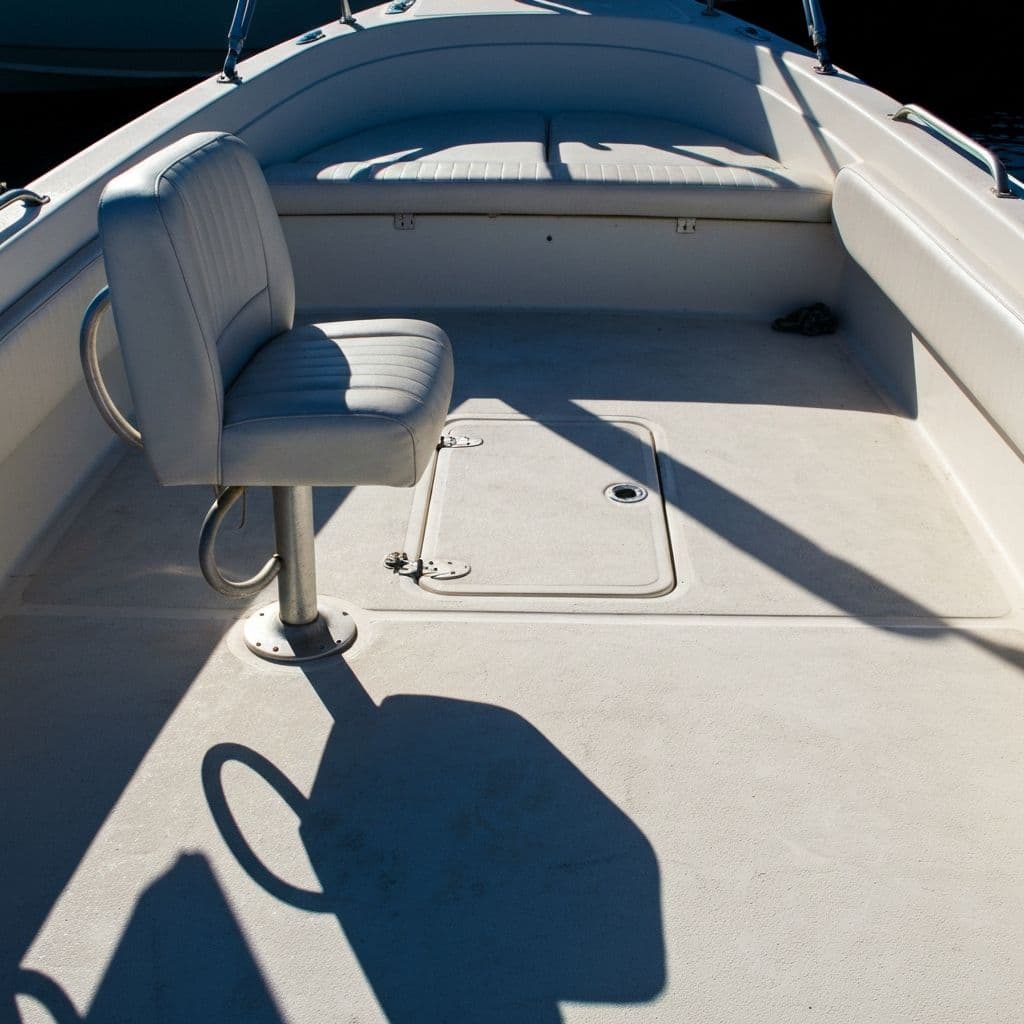
UV Exposure is Extreme
At 26 degrees north with over 270 sunny days a year, the UV index regularly hits "extreme" ratings. This breaks down gel coat, fades vinyl, and turns plastic brittle.
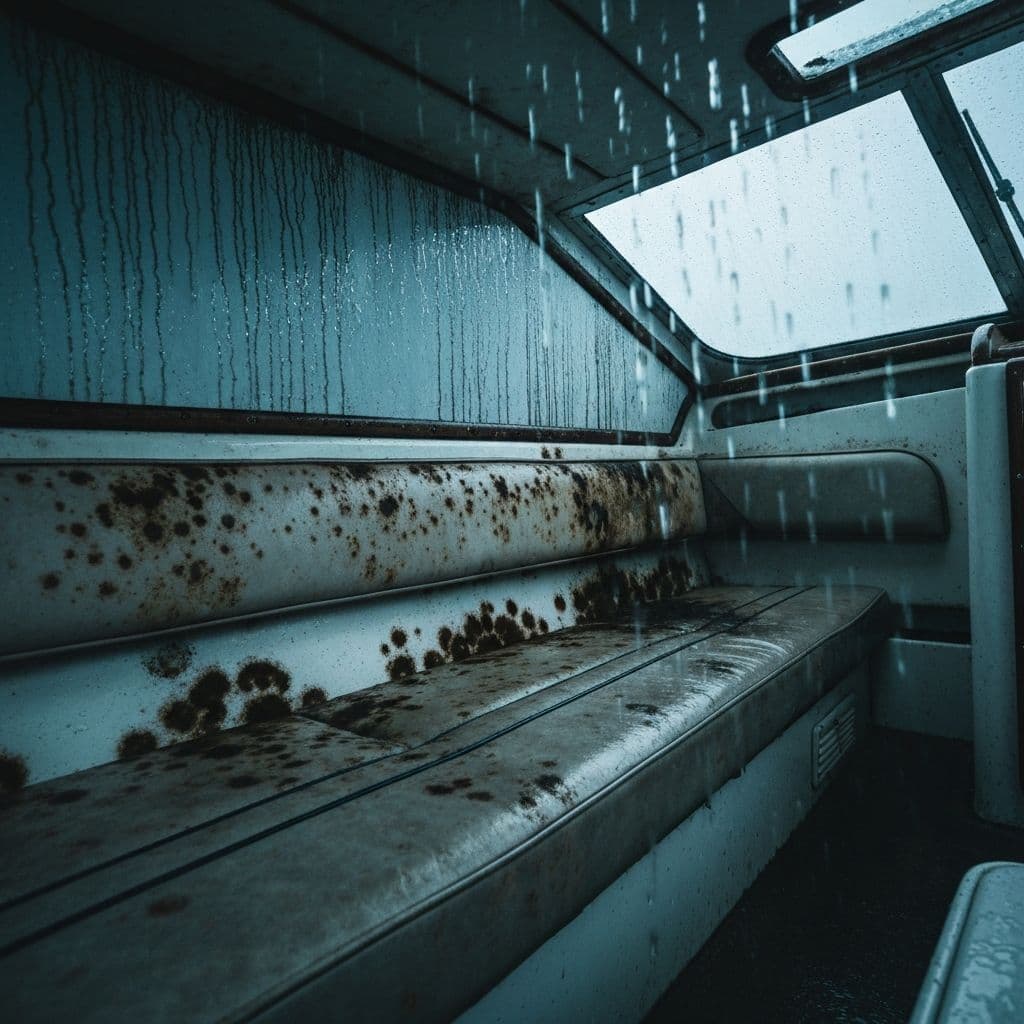
Humidity Never Quits
Average relative humidity hovers around 75%, breeding mold and mildew on upholstery, headliners, and any enclosed space without proper ventilation.
Marine Growth Explodes
Water temperatures between 75-90°F year-round create a petri dish for barnacles and algae. Leave your boat two weeks without bottom paint and you'll be scraping.
In Southwest Florida, you're not maintaining a boat against normal wear and tear. You're fighting a war against the environment, and the environment doesn't take days off.
The 15-Minute Routine
This is the single most important section of this guide
After Every Trip: The 15-Minute Routine
We see more boats damaged by skipped post-trip maintenance than by any other cause. It takes about 15 minutes, and it will save you thousands of dollars over the life of your boat.
The salt buildup inside his powerhead cooling passages had restricted water flow so badly that the engine was overheating on every run. The repair bill was over $2,000 for what 15 minutes with a hose would have prevented.
Monthly Checks
Set a reminder for the first Saturday of every month
Monthly Maintenance Checklist
Grab a cup of coffee, head out to the boat, and work through this list. It takes about an hour and catches small problems before they become expensive ones.
Battery Terminals
- Inspect for corrosion
- Clean with terminal brush
- Apply dielectric grease
- Check connections are tight
Zinc Anodes
- Check all zincs on boat
- Replace if >50% depleted
- Inspect lower unit zincs
- Check trim tab zincs
Bilge Pump Test
- Manually activate pump
- Confirm it runs properly
- Test float switch
- Pour water to verify auto-on
Hull Inspection
- Check for barnacle growth
- Look for blistering/cracks
- Inspect transom area
- Check strake areas
Trailer Bearings
- Spin each wheel
- Listen for grinding
- Check for heat after spinning
- Schedule service if needed
Steering & Controls
- Turn wheel lock to lock
- Check throttle smoothness
- Test shift controls
- Note any stiffness
Seasonal Schedule
Seasonal Maintenance Schedule
Spring
March - May
Spring is when most SWFL boaters kick things into high gear. The snowbirds are still here, the water's warming up, and weekends are packed at the ramps.
- Full detail and wax the hull for UV protection
- Inspect and replace impellers
- Safety equipment check (extinguishers, flares, life jackets)
- Electronics firmware updates
- Anchor and rode inspection
Summer
June - September
Prime boating season but also the most demanding. Storm season requires extra vigilance.
- Increase freshwater rinse frequency
- Monitor bottom growth closely
- Check AC and ventilation systems
- Keep storm preparedness supplies ready
- Add fuel stabilizer if not burning through quickly
Fall
October - November
After a long summer of heavy use, fall is the time for thorough service.
- Schedule your annual Yamaha service
- Evaluate bottom paint condition
- Deep clean canvas and upholstery
- Full trailer service (bearings, brakes, tires)
Winter
December - February
SWFL's golden season for boating. Lower humidity, cooler temps, calm seas.
- Enjoy the water!
- Continue 15-minute post-trip routine
- Monthly checks continue
- Protect freshwater systems from rare cold snaps
Yamaha Outboard Care
Engine Care: Yamaha Outboard Basics
As a Yamaha Key Dealer, we see more Yamaha outboards than just about anybody in Southwest Florida. Yamaha builds incredibly reliable engines, but “reliable” doesn't mean “maintenance-free.”
The 100-Hour / Annual Service is Non-Negotiable
This service includes engine oil and filter change, lower unit gear lube change, spark plug inspection, fuel filter replacement, and a comprehensive multi-point inspection. Our warm environment puts extra stress on lubricants. Check your Yamaha outboard owner's manual for model-specific procedures, and our Yamaha service team is always happy to walk you through the process.
Lower Unit Gear Lube: Your Early Warning System
When our techs drain lower unit gear lube, they're looking at the condition as much as the level. Milky or discolored gear lube means water intrusion: a seal is failing. Catching this early is a $200-400 fix. Missing it means a $1,500+ rebuild.
Fuel System Care is Critical
Between ethanol, humidity, and the marine environment, fuel system issues are one of the top reasons boats visit our service center. Use non-ethanol fuel when available, keep tanks full, and change filters regularly.
Both lower units had milky, water-contaminated gear lube. What would have been a simple seal replacement turned into a $3,800 repair across both engines.
Hull & Bottom Care
Your hull is the foundation of everything
Hull and Bottom Care
Fiberglass Hulls
Washing and Waxing
Use marine-specific boat soap and apply quality marine wax at least twice a year. The wax layer is your physical barrier against UV radiation.
Gel Coat Repair
Small chips expose raw fiberglass to water intrusion. In our environment, water gets into a chip, heats up in the sun, and causes expansion.
Bottom Paint
If your boat stays in the water, bottom paint is essential. Plan to haul out for a fresh coat every 12-18 months.
Aluminum Pontoons
Corrosion Prevention
Aluminum in saltwater is vulnerable to galvanic corrosion, especially where it contacts dissimilar metals. Keep zinc anodes in good condition.
Cleaning Pontoon Tubes
Aluminum tubes develop chalky oxidation over time. Marine-specific aluminum cleaners can restore the finish; avoid acidic cleaners not rated for marine use.
Bottom Coating
Standard bottom paint doesn't always adhere well to aluminum. Ask about pontoon-specific coatings designed for the application.
Electrical Systems
Electrical System Maintenance
Electrical problems are the second most common issue we see at our service center. Salt, humidity, and heat form a triple threat to marine electrical systems.
Batteries
Keep terminals clean, connections tight, and charge levels maintained. Use a marine battery maintainer if your boat sits for more than a week. Expect to replace batteries every 3-4 years in SWFL.
Wiring & Connections
Marine-grade wiring uses tinned copper that resists corrosion. Apply dielectric grease to all connections. Heat-shrink connectors with adhesive lining are the gold standard.
Electronics
Keep units dry, clean screens gently, and ensure cable connections are secure. Poor grounding is the number one cause of electronic interference and premature failure.
LED Lighting
LEDs last longer than incandescent, but fixtures, connections, and seals still fail in salt. Inspect navigation and courtesy lights monthly. A corroded ground wire is the usual culprit.
Trailer Care
Trailer Maintenance
If you trailer your boat, your trailer needs just as much attention as your boat. A failed trailer doesn't just ruin your weekend; it can be dangerous.
Real Story: Why This Matters
A friend was towing his 23-foot center console down I-75 when his trailer wheel seized, snapped the axle spindle, and sent the wheel bouncing across three lanes of traffic. He hadn't touched his bearings in four years. The trailer was destroyed, the boat took transom damage. Total bill: over $8,000. Annual bearing maintenance runs about $150-200.
Wheel Bearings
The #1 failure point. Repack or replace at least annually. Consider bearing buddies for frequent launchers.
Trailer Brakes
Flush brake assemblies with freshwater after every launch. Inspect pads, rotors, and calipers regularly.
Tires
Replace every 3-5 years regardless of tread. Check pressure before every tow. Underinflation causes blowouts.
Lights & Wiring
Test all lights before every tow. LED upgrades are sealed and run cooler. Check ground connections.
Hurricane Prep
Hurricane Season Preparation
Hurricane season runs June 1 through November 30. After Hurricane Ian in 2022 and Hurricane Milton in 2024, our community learned hard lessons about storm preparation.
If You Trailer Your Boat
- Identify your storage location in advance
- Deflate trailer tires slightly to lower profile
- Strap boat to trailer with heavy-duty ratchet straps
- Remove all canvas and loose items
- Disconnect the battery
If Your Boat Stays on a Lift
- Secure boat to lift with extra lines
- Use chafe protection at all contact points
- Remove canvas and electronics
- Consider lowering into water for major surge
- Leave drain plug OUT
If Your Boat Is at a Marina
- Follow marina's hurricane plan
- Double dock lines with chafe guards
- Remove all canvas and valuables
- Coordinate on haul-out options
General Storm Prep for All Boats
Top off the fuel tank, turn off all battery switches, and document your boat with photos for insurance. Review your marine insurance policy now; understand your coverage, deductible, and storm preparation requirements. For the latest official guidance, visit the Florida Fish and Wildlife Conservation Commission hurricane preparedness resources.
DIY vs Professional
When to DIY vs. Call a Professional
We genuinely believe that boat owners who do their own basic maintenance develop a better understanding of their boats. That said, some jobs require professional tools, training, and experience. If you're ever on the fence, give our service team a call.
Great DIY Tasks
- Freshwater rinsing and flushing
- Washing and waxing the hull
- Cleaning upholstery
- Checking battery terminals
- Inspecting and replacing zincs
- Testing the bilge pump
- Changing fuel/water separator filters
- Basic trailer maintenance
- Small gel coat chip repairs
Call a Professional
- Engine service (100-hour/annual): our factory-authorized Yamaha technicians
- Lower unit service and sealing
- Electrical troubleshooting (ABYC standards)
- Hydraulic steering service
- Structural fiberglass repair
- Trailer bearing repacking
- Rigging and engine installation
- Complex electronics installation (radar, NMEA 2000, autopilot)
FAQ
Frequently Asked Questions
How often should I wax my boat in Southwest Florida?
How long can I leave my boat in the water without bottom paint?
My boat smells like mildew. How do I fix it?
When should I schedule my annual engine service?
What type of fuel should I use in my Yamaha outboard?
How do I know if my zincs need replacing?
Should I leave my boat on the lift or trailer it home?
Do I really need a marine battery, or can I use a car battery?
What's the most common maintenance mistake you see?
Get the Complete Guide as a PDF
Take this guide with you to the dock. Our printable PDF includes all checklists, schedules, and quick-reference charts.
- Printable maintenance checklists
- Seasonal schedule at a glance
- Hurricane prep quick reference
Download Your Free PDF
Enter your details and we'll send the guide straight to your inbox.
Ready to Schedule Service?
Our 14,000-square-foot factory-authorized service center in Fort Myers is ready to help. Yamaha Key Dealer with 15+ certified technicians.
Fort Myers
15581 S Tamiami Trail
Naples
2540 Davis Blvd
Bonita Bay Marina
27598 Marina Pointe Dr